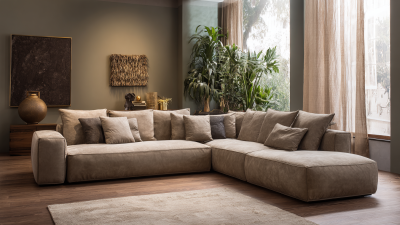
2026 Top Trends in Traditional Sofa Designs for Your Living Room?
When it comes to designing a living room, the choice of a traditional sofa can greatly influence the space. Renowned interior designer Johnathan Blake states, “A traditional sofa can be the heart of a living room, combining comfort and elegance.” As we look towards 2026, several trends are emerging in traditional sofa designs.
These designs balance style and functionality, enhancing the cozy appeal of any living room. Bold patterns and rich fabrics are gaining popularity. Textures like velvet and linen add a sensory experience. However, one must be cautious about over-cluttering the space. A traditional sofa should stand out without overwhelming other elements.
Moreover, sustainability is becoming a key focus. Many brands are prioritizing eco-friendly materials. This shift reflects a growing awareness in the market. Yet, it's important to doubt whether these sustainable options can maintain the classic charm of a traditional sofa. Heightened awareness of quality and longevity is necessary but can sometimes lead to higher costs.
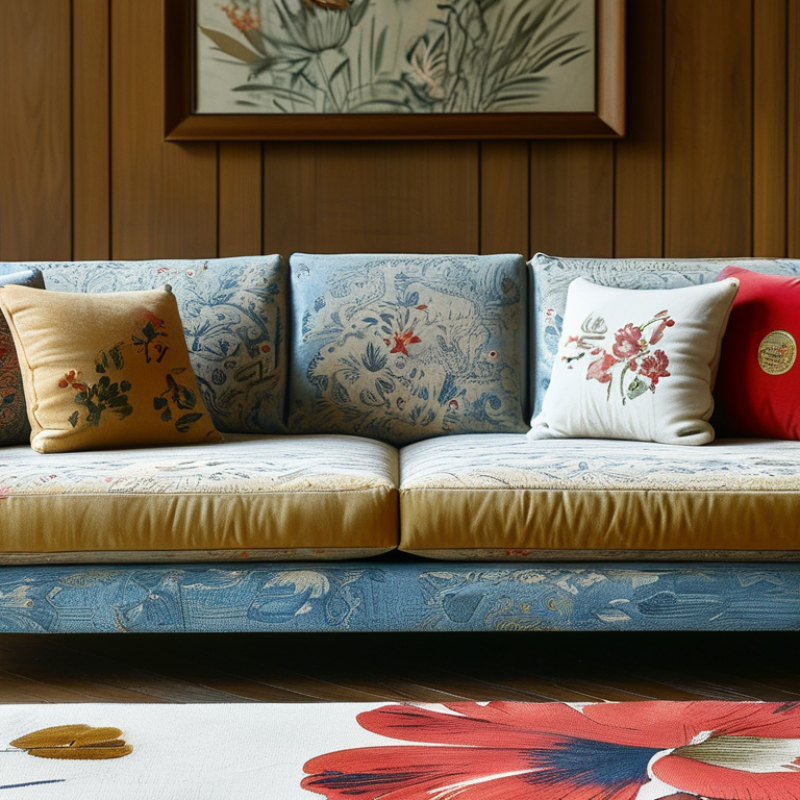
Emerging Materials: Sustainable Fabrics in Sofa Design for 2026
As we move closer to 2026, the landscape of traditional sofa designs is evolving, particularly with a focus on sustainability. Emerging materials like recycled fibers and organic cotton are leading the charge. These fabrics not only reduce environmental impact but also enhance the aesthetic of your living space. Imagine a sofa made from beautifully textured, eco-friendly materials that tell a story of sustainable design.
The movement towards sustainable fabrics is also about comfort. Many of these materials are soft yet durable. They can withstand everyday wear and tear while remaining inviting. However, the challenge lies in ensuring that the environmental benefits match the performance. Some sustainable fabrics may not hold up under heavy use, raising questions about their long-term viability in everyday settings.
Color palettes are shifting too. Earthy tones and muted shades are becoming popular. These hues blend well with nature-inspired decor. Yet, remember, trends can sometimes overshadow practicality. As you explore fabric choices for your sofa, pay attention to how they feel and function in your space. Embrace sustainable options thoughtfully while acknowledging their limitations. It's a balancing act between style and sustainability.
Color Trends: Popular Palettes for Traditional Sofas in Modern Living Rooms
When it comes to traditional sofas in modern living rooms, color plays a significant role. Rich, bold hues like emerald green and deep navy add elegance and sophistication. Soft neutrals like cream and taupe offer a calming backdrop. These shades can create a welcoming atmosphere. Mixing these colors can bring depth to your living space.
Tips for choosing color palettes include considering the room's lighting. Soft colors may wash out in bright light. On the other hand, dark colors can make a room feel cozy. Think about your existing decor, too. A vibrant sofa can be a focal point, while a muted shade can blend seamlessly.
Don't overlook texture. A velvet sofa in a deep hue can elevate your space with luxury. Alternatively, a linen option in a soft pastel provides a laid-back feel. Some combinations may seem unappealing at first glance. Experimenting is key to finding the right match for your needs. Always take your time when selecting colors for your traditional sofa. Embrace imperfections in your choices; they often lead to unique designs.
2026 Top Trends in Traditional Sofa Designs for Your Living Room
| Color Palette |
Fabric Type |
Style Inspiration |
Popular Patterns |
| Deep Blue & Cream |
Velvet |
Classic Elegance |
Floral Motifs |
| Earthy Tones |
Leather |
Rustic Charm |
Stripes |
| Soft Pastels |
Linen Blend |
Modern Vintage |
Geometric Shapes |
| Bold Red & Gold |
Tufted Velvet |
Baroque Influence |
Baroque Patterns |
Design Styles: Blending Classic Elegance with Contemporary Aesthetics
In 2026, blending classic elegance with contemporary aesthetics in sofa designs is gaining traction. This trend influences how consumers decorate their living spaces. A recent industry report indicates that around 45% of homeowners prioritize comfort alongside style. This balance in design speaks to a demand for practicality without sacrificing aesthetics.
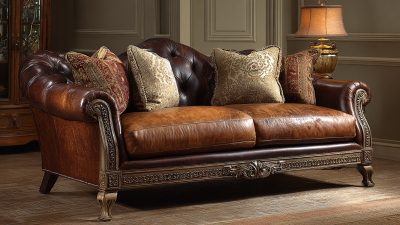
The integration of timeless features, like ornate legs and luxurious fabrics, with sleek, modern lines is noteworthy. Upholstery in earthy tones is emerging as a popular choice. These colors not only evoke a sense of warmth but also feel modern. According to experts, neutral palettes help maintain a clean, versatile look. This can enhance the perception of space in smaller living areas.
Tips for achieving this design blend include mixing high and low textures. Pair a velvet sofa with leather accents or wooden tables. Also, consider varying cushion shapes to add visual interest. Remember, imperfect and unique elements can create a curated feel in your home. Experiment with asymmetrical arrangements. This can breathe life into traditional setups, making them feel refreshingly modern.
Functionality: Innovations in Sofa Features for Modern Living Spaces
Innovations in sofa features are transforming modern living spaces.
Functionality is key for the 2026 trends in traditional sofa designs.
Multi-purpose sofas are gaining popularity. They seamlessly blend aesthetics with practicality, making them a smart choice for limited spaces.
Consider sofas that incorporate storage solutions. Under-seat compartments can hold blankets, magazines, or even seasonal items. This keeps your living room clutter-free and organized.
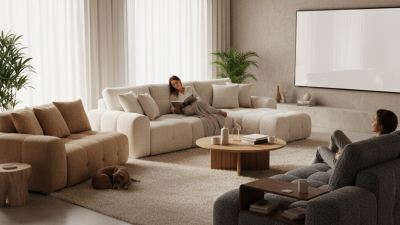
Additionally, modular designs allow for flexible arrangements. You can adapt the layout to suit gatherings or quiet evenings.
Look for adjustable recline options. Sofas that easily convert from sitting to lounging enhance comfort. Some designs feature built-in charging ports, perfect for tech-savvy homes.
Choosing a sofa that meets your needs can drastically change your living room experience.
Reflect on your lifestyle when selecting a sofa; what's essential for you?
Customization: Tailoring Your Traditional Sofa to Fit Your Personal Style
When it comes to traditional sofa designs, customization is key. Imagine a sofa that reflects your personality, not just a generic piece of furniture. You can choose the fabric, color, and even the pattern. This level of personalization transforms a standard sofa into a unique statement piece in your living room.
Consider the various styles of armrests and legs. Elegant rolled arms can give your sofa a classic look. Meanwhile, tapered wooden legs might add a modern twist. Custom cushions provide additional comfort and allow you to play with textures. It can be tough to choose the right combinations, but experimenting is part of the fun.
Remember, even custom pieces have limitations. Sizing is crucial; a sofa too large can overwhelm a small space. Also, think about maintenance. Light fabrics might require more frequent cleaning. At the end of the day, each decision should resonate with your style. Embrace the process of personalizing your sofa, and enjoy creating a piece that truly feels like home.