Where to Find the Best Traditional Sofas in China?
In the quest for the best traditional sofa in China, many factors come into play. Traditional sofas embody a rich heritage, showcasing fine craftsmanship and cultural aesthetics. These sofas add an elegant touch to any home, often becoming a centerpiece of living spaces. They are more than just furniture; they tell a story of tradition and artistry.
Visiting local markets and specialized stores reveals a vast array of styles. From intricate carvings to soothing fabrics, each piece captures unique elements of Chinese culture. However, navigating this market can be daunting. It is essential to consider quality, durability, and design. Finding the right sofa requires patience and a keen eye for detail.
While many shops boast the best selections, discerning buyers must evaluate each option closely. Experiences vary widely, and personal biases can influence choices. Seeking expert advice and reading reviews can enhance decision-making. Embrace the challenge of finding a traditional sofa that resonates personally. It’s an investment in both style and comfort.
The Rise of Traditional Sofa Craftsmanship in China
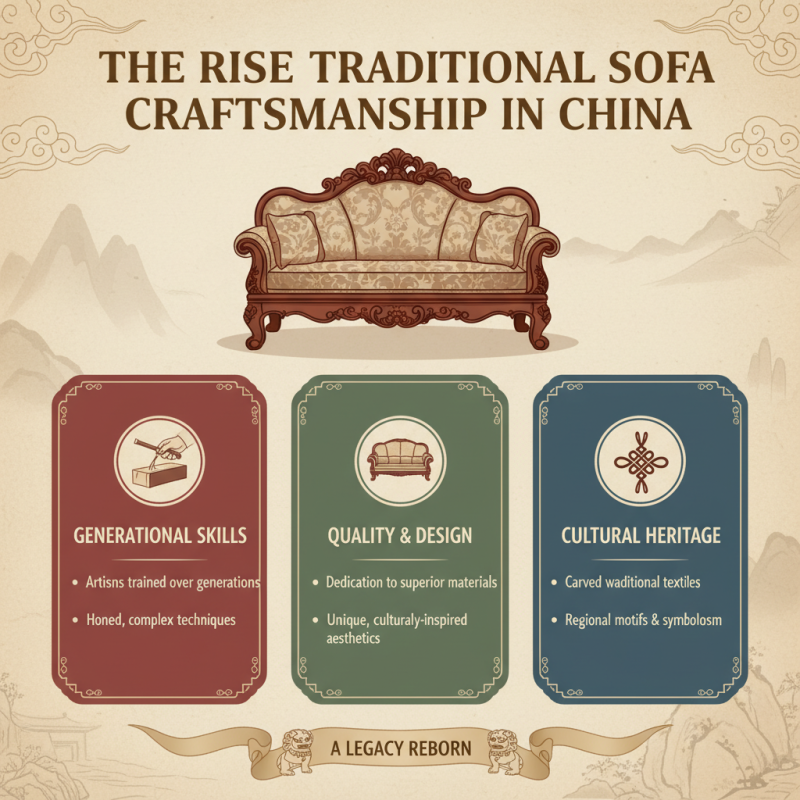
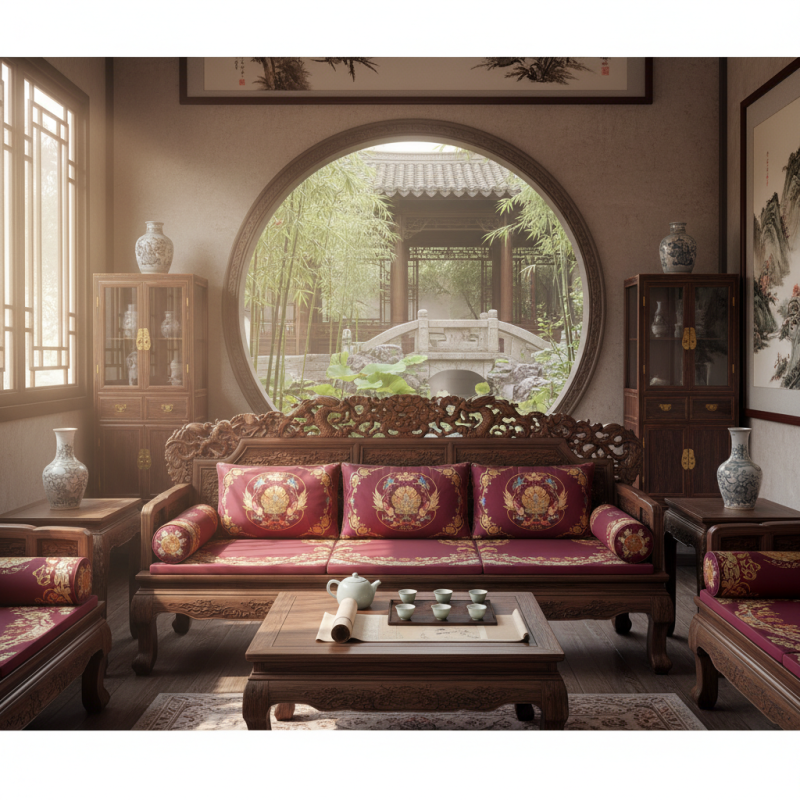
Traditional sofa craftsmanship in China has seen a remarkable resurgence. This revival showcases the intricate skills that artisans have honed over generations. Their dedication to quality and design is evident in every piece. Carved wooden frames, rich textiles, and detailed motifs reflect the cultural heritage of various regions.
Many craftsmen are blending modern aesthetics with traditional techniques. This fusion creates unique pieces that resonate with contemporary tastes. However, maintaining traditional methods can be challenging. Some artisans struggle with sourcing high-quality materials. Others face competition from mass-produced furniture. These challenges may threaten the authenticity of their work.
Despite these hurdles, a growing appreciation for handcrafted sofas emerges. Consumers seek more than just furniture; they desire stories and craftsmanship. Each traditional sofa carries a history, a touch of the past. As awareness grows, so does the value of these exquisite treasures. The journey of traditional sofa craftsmanship in China inspires reflection on heritage and innovation.
Key Regions for Sourcing Traditional Sofas in China
China offers a variety of regions renowned for traditional sofa manufacturing. The southeastern province of Guangdong is a key area. It is known for its skilled artisans and rich woodworking traditions. The cities of Foshan and Dongguan house many workshops that specialize in traditional designs. These artisans often blend modern techniques with classic styles, making unique pieces.
Another significant region is Shandong. This province emphasizes craftsmanship, particularly in the use of solid wood. Many workshops in Jinan showcase intricate carvings that reflect traditional Chinese aesthetics. However, sourcing from here can be challenging due to varying quality standards. It’s essential to conduct thorough inspections before finalizing any purchases.
In Jiangsu province, particularly Suzhou, you can find elegant traditional sofas with fine details. The city is famous for its silk production too, so combining a silk cushion with a wooden sofa is common. Nonetheless, not all manufacturers follow sustainable practices. It’s crucial to ask about sourcing and production methods when exploring options.
Materials and Designs: Understanding Quality in Traditional Sofas
Traditional sofas in China tell stories through their materials and designs. Wood is a primary element in many traditional sofas, often sourced from durable hardwoods. Teak, walnut, and rosewood are common choices. Each wood type has unique patterns and hues, adding character to the piece. Look for frames constructed with solid wood instead of particle board for longevity.
Upholstery is equally important. Fabrics like silk and brocade are traditional choices, celebrated for both beauty and texture. They showcase intricate patterns and vibrant colors. While these materials offer elegance, consider their maintenance needs. High-quality upholstery requires regular cleaning to maintain its look.
Tips: Ensure the sofa's framework is sturdy. Check for even joints and smooth finishes. If possible, test the comfort and support of the cushions. Sofas can vary in firmness or depth, so choose what feels right for you. Prioritize quality to avoid replacements in the near future. Investing in a traditional sofa should promise durability alongside aesthetic appeal.
Top Materials Used in Traditional Sofas in China
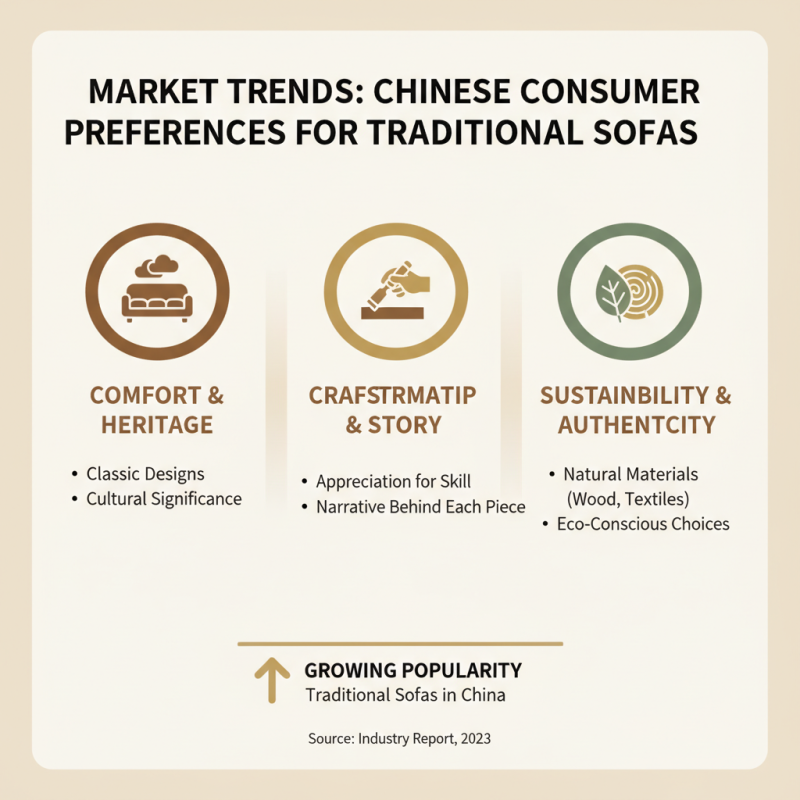
Market Trends: Consumer Preferences for Traditional Sofas in China
Traditional sofas in China are gaining popularity as consumers seek comfort and cultural heritage. A growing number of people are drawn to these classic designs. They appreciate the craftsmanship and stories behind each piece. Sofas made from natural materials, like wood and textiles, are favorites among buyers. This reflects a trend towards sustainability and authenticity in home furnishings.
In urban areas, the demand for traditional styles is notable. Young adults are mixing modern decor with traditional elements. They want a balance between nostalgia and contemporary living. Some express dissatisfaction with the lack of variety. They often seek unique designs that stand out. Limited selections in stores can lead to frustration; however, online platforms have emerged as valuable resources.
Consumer preferences are evolving. People now prioritize not just aesthetics but also comfort and function. There's a notable interest in customizable options. Buyers want sofas that fit their specific needs and styles. This shift indicates a deeper appreciation for personalized furnishings. Despite the challenges, the traditional sofa market in China is vibrant, showcasing resilience and adaptability amidst changing consumer demands.
Retailers and Manufacturers: Leading Names in Traditional Sofa Market
When looking for traditional sofas in China, several key retailers and manufacturers stand out. These companies prioritize craftsmanship and cultural significance. Their designs often reflect rich traditions and attention to detail. Quality materials are essential in producing durable and timeless pieces.
Many traditional sofa retailers feature a variety of styles. Some focus on intricate carvings, while others highlight elegant fabrics. Visiting local stores can provide valuable insights into local preferences. However, not every store maintains the same standards. It’s crucial to research and read reviews.
Online platforms also showcase manufacturers specializing in traditional designs. They often present an extensive range of options, from classic to modern interpretations. Yet, buyers may find it challenging to assess quality without seeing the products firsthand. Therefore, connecting with customer service representatives for detailed information is advisable. Overall, finding the best traditional sofa involves exploring various sources and gathering enough information.
Where to Find the Best Traditional Sofas in China? - Retailers and Manufacturers: Leading Names in Traditional Sofa Market
| Retailer/Manufacturer |
Location |
Product Range |
Price Range (RMB) |
Website |
| Retailer A |
Beijing |
Classic, Vintage, Custom |
800 - 5000 |
www.retailera.com |
| Manufacturer B |
Shanghai |
Traditional, Eastern Style |
1200 - 7000 |
www.manufacturerb.com |
| Vendor C |
Guangzhou |
Antique, Modern Mix |
1500 - 6000 |
www.vendoc.com |
| Supplier D |
Shenzhen |
Luxury, Handmade |
2000 - 12000 |
www.supplierd.com |
| Company E |
Hangzhou |
Rustic, Minimalist |
1000 - 4000 |
www.companye.com |