Leave Your Message

Top 10 Apartment Couch Types for Small Spaces?

Choosing an Apartment Couch for a compact home involves more than measuring wall length. It shapes movement, storage, comfort, and the room’s visual weight. A deep sofa may feel luxurious, yet block a balcony door. A narrow loveseat may fit perfectly, but fail during movie nights.

This guide explores ten Apartment Couch types designed for limited floor plans. It covers apartment-friendly sectionals, compact loveseats, sleeper sofas, modular couches, futons, armless designs, and storage sofas. Each option deserves attention because small rooms punish careless choices. Even a few extra inches can make a walkway feel cramped.

Interior designer and small-space expert Alexandra Gater often stresses the value of flexible design: “Small spaces require big creativity.” That principle guides this selection. Look for raised legs, slim arms, washable upholstery, and useful hidden storage. Measure doorways, elevators, stairwells, and turning angles before ordering. The couch must enter the apartment, not merely fit inside it.

Details matter. Picture a 72-inch sofa under a sunny window, with six inches of breathing room beside each arm. Picture a storage chaise holding blankets instead of occupying another cabinet. These practical differences can change daily comfort.

No single couch suits every apartment. That is the uncomfortable part. Style photographs can hide hard seats, weak frames, or awkward assembly. Our recommendations balance dimensions, function, construction, and honest limitations. Some choices may look less impressive online. They may work better at home.

Top 10 Apartment Couch Types for Small Spaces?

Defining Space and Function for an Apartment Couch

In a small apartment, a couch is more than a seat.

It can divide, store, fold, and quietly control movement. After measuring compact living rooms, I look beyond appearance. The useful question is simple: what must this couch do each day?

A compact loveseat suits two people and leaves room for a narrow walkway. A sofa bed supports guests, but its opened frame may block the coffee table. A modular couch can adapt, although loose sections sometimes drift on smooth floors. Every choice changes the room’s behavior.

For clear zoning, a chaise sectional can mark the boundary between living and dining areas. Place the chaise toward the wall, not the main path.

A low-back sofa keeps sightlines open. A raised-leg design makes cleaning easier and helps a small floor feel less crowded. Storage sofas hide blankets, books, or a folding work tray.

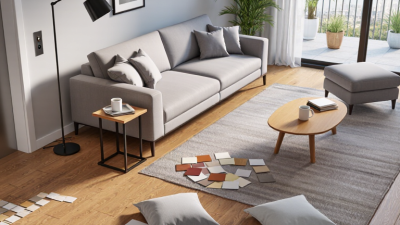
Reclining couches offer comfort, yet their moving backs require extra clearance. Measure that space with the couch fully extended. Paper templates on the floor reveal mistakes before delivery.

A futon, daybed, or armless settee may fit unusually narrow rooms.

Their functions differ, so comfort deserves a real test. Sit for ten minutes. Notice knee angle, cushion recovery, and fabric heat.

I once favored a deep seat and regretted losing passage space. That error still shapes my advice.

Check door widths, elevator turns, outlet access, and walking routes before committing.

Classifying Ten Couch Types Designed for Small Spaces

Top 10 Apartment Couch Types for Small Spaces

Classifying Ten Couch Types Designed for Small Spaces

Small rooms need deliberate couch classifications, not simply smaller furniture. Measure the wall, doorway, elevator, and walking path before shopping. A six-centimeter mistake can block a cabinet or create an awkward entry.

A loveseat offers two seats with a compact footprint. An apartment sofa usually provides deeper cushions within a shorter frame. An armless sofa saves visual and physical width. A settee works well beneath a window, especially with narrow arms. A bench sofa has one continuous cushion, reducing visual breaks. It can look clean, though some people find it less supportive.

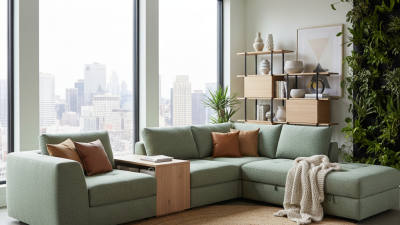
A compact sectional uses corners efficiently. A reversible chaise allows the lounge side to change when the room changes. A modular sofa separates into movable sections, which helps in tight stairwells. A futon sofa serves as seating and occasional bedding, but its sleeping comfort varies. A sleeper sofa adds a hidden bed, although its mechanism can increase weight. Choose carefully.

In my experience, seat depth matters as much as total width. A 75-centimeter-deep couch may overwhelm a narrow room. Firm cushions usually preserve walking space better than oversized, loose padding. I once chose a beautiful modular couch without checking the door swing. The sections entered easily, but the assembled shape blocked a radiator. That mistake still influences my layout checks. Examine frame support, cushion recovery, fabric cleaning needs, and clearance around tables before deciding.

Top 10 Apartment Couch Types for Small Spaces? - Classifying Ten Couch Types Designed for Small Spaces

Typical furniture dimensions are approximate and may vary by design. Measurements are listed as width × depth × height.

No. Couch Type Typical Dimensions
(W × D × H)
Seats Recommended Room Size Small-Space Advantages Best For Space Efficiency
1 Apartment-Size Sofa 68–80 × 34–38 × 32–36 in
173–203 × 86–97 × 81–91 cm
2–3 Small living rooms and studio apartments Provides the comfort of a standard sofa with a shorter overall width and shallower profile. Everyday lounging ★★★★★
2 Loveseat 48–72 × 30–38 × 30–36 in
122–183 × 76–97 × 76–91 cm
2 Studios, bedrooms, offices, and compact seating areas Uses less wall space than a full sofa while still offering two-person seating. Couples and reading corners ★★★★★
3 Compact Sleeper Sofa 68–82 × 34–40 × 32–37 in
173–208 × 86–102 × 81–94 cm
2–3 Studios and one-bedroom apartments Combines daily seating with an occasional guest bed without requiring a separate bedroom. Overnight guests ★★★★☆
4 Futon Sofa 68–80 × 32–38 × 30–36 in
173–203 × 81–97 × 76–91 cm
2–3 Multi-purpose rooms and budget-conscious apartments Transforms from a sofa into a flat sleeping surface and is often lighter than a traditional sleeper sofa. Flexible living spaces ★★★★☆
5 Armless Sofa 60–78 × 30–36 × 30–34 in
152–198 × 76–91 × 76–86 cm
2–3 Very narrow living rooms and open-plan spaces Reduced arm width creates more usable seating length and a visually lighter appearance. Minimalist interiors ★★★★★
6 Sofa Chaise 78–96 × 55–65 × 32–36 in
198–244 × 140–165 × 81–91 cm
2–3 Compact rectangular rooms with one longer wall Offers a lounge position without the full footprint of a traditional sectional sofa. Relaxing and movie nights ★★★☆☆
7 Small Sectional Sofa 78–100 × 55–70 × 32–36 in
198–254 × 140–178 × 81–91 cm
3–4 Small family rooms and square-shaped apartments Seats more people efficiently by using a corner that might otherwise remain unused. Shared apartments and families ★★★☆☆
8 Modular Sofa Per module: 30–36 × 30–38 × 30–36 in
76–91 × 76–97 × 76–91 cm
2–4 Rooms that need adaptable furniture layouts Individual pieces can be separated, rearranged, or moved when the room’s function changes. Renters and flexible layouts ★★★★☆
9 Bench-Seat Sofa 68–82 × 32–38 × 30–35 in
173–208 × 81–97 × 76–89 cm
2–3 Contemporary apartments and narrow seating zones A continuous seat cushion creates a clean profile and avoids bulky individual seat divisions. Modern compact interiors ★★★★☆
10 Sofa with Storage 65–82 × 32–38 × 32–36 in
165–208 × 81–97 × 81–91 cm
2–3 Studios and apartments with limited closet space Built-in compartments can hold blankets, pillows, books, or seasonal items without adding another cabinet. Organization-focused homes ★★★★★

Planning tip: Leave approximately 30–36 inches (76–91 cm) for primary walking paths and check doorway, elevator, and stairwell measurements before purchasing.

Comparing Size, Shape, Comfort, and Convertible Features

Top 10 Apartment Couch Types for Small Spaces

Choosing a small-space couch begins with accurate measurements, not style alone. A loveseat usually fits narrow rooms, while an apartment sofa offers more seating with a shorter depth. Armless sofas save width and create a lighter visual line. Modular sofas provide flexibility, but their separate pieces can crowd tight pathways. Measure doorways, stair turns, and wall clearance before ordering.

Shape changes comfort significantly. A chaise sectional supports stretched legs, yet it may dominate a square room. A reclining loveseat feels relaxing, but its moving footrest needs extra space. Daybeds work well for lounging and occasional guests. Sleeper sofas add practical value, although thicker mechanisms often increase weight and reduce seat depth. Futons convert easily, but their firmness is not comfortable for everyone. Storage sofas hide blankets beneath the seat, though frequent opening can become inconvenient.

I once underestimated arm width.

Comfort depends on seat depth, cushion density, back angle, and fabric texture. For everyday sitting, many adults prefer supportive cushions with moderate softness. Test the couch for at least ten minutes, including upright sitting and relaxed lounging. Convertible furniture should open smoothly without scraping floors or blocking doors. A compact modular sofa may look ideal online, but photographs often hide its true scale. Check the complete dimensions, weight, removable legs, and return conditions. My own first choice was attractive, but the shallow seat made longer evenings uncomfortable. A smaller loveseat with deeper cushions would have served better.

Top 10 Apartment Couch Types for Small Spaces

Comparison of typical overall width, seating comfort, and convertible functionality. Couch shape is represented by each category.

Widths are representative measurements commonly found in residential furniture categories and may vary by design. Comfort and convertible-function scores use a five-point comparison scale: higher scores indicate better everyday seating comfort or more useful sleeping/storage conversion.

Matching Couch Styles to Different Apartment Layouts

Top 10 Apartment Couch Types for Small Spaces

Matching Couch Styles to Different Apartment Layouts

Choosing a couch for an apartment starts with the room’s shape, not its trend appeal. Measure the wall, doorway, elevator, and walking clearance before shopping. A compact loveseat suits a narrow studio, while an apartment sofa works well against a long wall. An armless settee can keep a cramped entryway visually open. For flexible rooms, a modular sectional allows separate pieces to shift around furniture. A chaise sectional fits a wide living area, but its extended side may block a balcony path.

A sleeper sofa adds guest space without needing another bed. A futon suits a casual studio, especially when the living area becomes a sleeping zone. A daybed can divide a room while offering seating on both sides. In a larger apartment, a reclining loveseat may provide comfort without the bulk of two chairs. A small curved sofa softens square layouts, though its rounded shape can waste precious wall space. Measure twice.

In my experience, seat depth matters as much as overall width. Deep cushions can make a small room feel crowded, even when the frame fits perfectly. Choose firmer support for frequent work or dining use. Consider washable, tightly woven upholstery near kitchens or pets. Leave about 24 to 30 inches for main walkways when possible. I once underestimated a stairwell turn, and the couch had to be returned. A perfect floor plan is useless if the couch cannot enter the apartment.

Choosing the Best Couch Through a Practical Comparison

Top 10 Apartment Couch Types for Small Spaces

Choosing a couch for a small apartment requires more than checking its appearance. I measure the doorway, elevator, and wall before comparing styles. A compact loveseat suits one or two people, while an apartment sofa offers better daily comfort. A sofa bed adds sleeping space, but its mechanism can make the frame heavy. A futon costs less, although its mattress may feel too firm for nightly use. A modular couch adapts well to awkward corners, yet separate sections can slide on smooth floors.

A chaise sofa provides a relaxed lounging spot without needing a large sectional. However, its fixed side may limit furniture placement later. A corner sectional uses unused space efficiently, but it can make a narrow room feel crowded. A settee looks refined and leaves walking room, though taller users may find it short.

A backless sofa works beneath windows and feels visually light. It needs supportive cushions, or sitting becomes uncomfortable quickly. A reclining couch offers excellent comfort, but its moving parts require extra clearance behind and in front.

I compare seat depth, cushion support, fabric care, and delivery access together. Around 18 to 21 inches of seat height often feels practical for daily use. Removable covers help after spills, especially near a small kitchen. Light colors open a room visually, but they show dust and marks sooner. I once chose style over seat depth, and the couch looked perfect but felt cramped. A simple floor plan, taped on the floor, exposes that mistake before purchase.