How to Choose a Traditional Sofa for Your Home?
Choosing a Traditional Sofa is not only about matching a room’s style. It is about comfort, construction, proportion, and long-term use. A well-made sofa can anchor a living room for many years. However, an attractive frame does not always guarantee reliable quality.
Begin by studying the sofa’s structure. Kiln-dried hardwood frames usually offer dependable strength and less movement over time. Check the joints, leg attachments, and underside fabric. A sofa that feels slightly firm may provide better support than one that feels overly soft in a showroom. Sit in your usual position. Test the arm height, seat depth, and back support carefully.
Small details matter.
Fabric choice also deserves practical attention. Tightly woven cotton blends can suit busy homes, while performance fabrics may resist everyday stains more effectively. Leather can age beautifully, but its finish and maintenance needs vary. Ask about cushion filling, removable covers, warranty terms, and repair services. These questions reveal more than a polished display.
Room measurements should guide every decision. Leave enough space for walking, opening doors, and moving the sofa indoors. Traditional designs often have generous arms and deep cushions, which can make a room feel crowded. I have seen beautiful sofas overwhelm otherwise balanced spaces. That mistake is easy to make, especially when online photographs hide their true scale.
Personal taste still matters. A sofa should feel inviting, not merely historically accurate. Consider color, lighting, pets, children, and daily habits before purchasing. Reliable retailers should explain materials clearly and provide honest specifications. Take your time. The perfect choice may not look perfect at first.
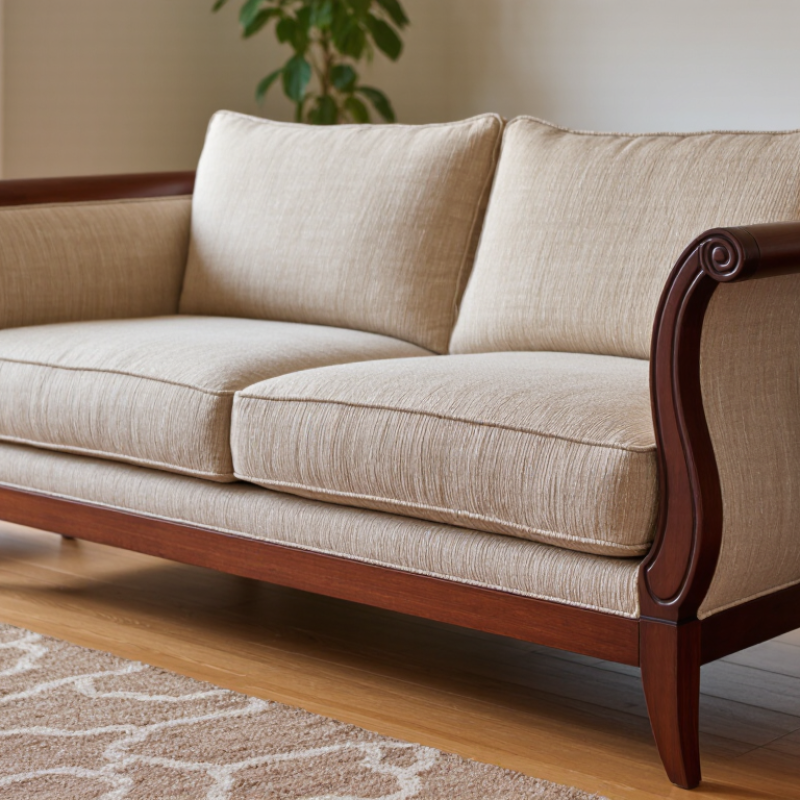
Define the Traditional Sofa Style That Fits Your Home
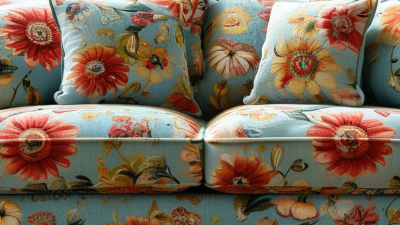
A traditional sofa usually combines balanced proportions, gentle curves, and carefully framed details. Look for rolled arms, turned legs, pleated skirts, or subtle wood trim. These features create a settled, welcoming appearance rather than a sharp, minimalist feeling. The upholstery may include floral patterns, stripes, checks, or quiet solid colors. Choose one that relates to your room’s curtains, flooring, or wall color.
Your home’s architecture should guide the final style. A sofa with carved legs can suit a room with crown molding and warm wood floors. In a simpler apartment, select cleaner arms and less decorative fabric. The traditional look can still feel light. Measure the doorway, hallway, and seating area before buying. Leave enough space for walking, opening cabinets, and cleaning behind the sofa. I once underestimated a narrow entrance, and the delivery became far more complicated than expected.
Comfort deserves equal attention. Sit with your back supported and place both feet comfortably on the floor. Check whether the seat feels firm enough for daily use. Dense cushions often keep their shape better, but personal comfort matters more than a general rule. Families with children may need tightly woven, washable fabric. A pale textured fabric can look beautiful, yet it may demand constant care. No choice is perfect. Study the stitching, frame stability, cushion recovery, and care instructions in person when possible.
Measure Your Room and Select the Right Sofa Size
How to Choose a Traditional Sofa for Your Home?
Measure your room before choosing a traditional sofa. The 2024 NAHB What Home Buyers Really Want report places the median desired living-room size at about 200 square feet. That figure is useful, but your room may feel smaller because of doors, radiators, and walkways. Record the room’s length and width. Then measure every doorway, hallway, lift, and stair turn. A sofa that fits the room can still fail at delivery.
Leave at least 30–36 inches for comfortable walking routes. Keep roughly 18 inches between the sofa and a central coffee table. For a compact room, a 72–80-inch sofa often feels balanced. Larger rooms may accept an 84–96-inch model, but avoid filling every wall. Traditional sofas usually have deeper seats and thicker arms. These details can consume more space than expected. I once measured only the wall, not the skirting board. The result was close, but unnecessarily stressful. A neat formula is helpful, not sacred.
Tips: Use painter’s tape to outline the sofa on the floor. Sit inside the outline for ten minutes. Check whether cabinet doors, windows, and lamps remain usable. Compare the sofa’s full external depth, not only its seat depth. The American Home Furnishings Alliance also advises checking access dimensions before delivery. Measure twice. Leave a little breathing room.
How to Choose a Traditional Sofa for Your Home?
Measure the clear floor area before choosing a sofa. As a practical planning guide, a 10 × 12 ft room can suit a sofa up to about 72 in wide, a 12 × 16 ft room can accommodate about 84 in, and a 14 × 20 ft room can allow about 96 in. Always confirm the sofa’s exact width and depth, and leave comfortable walkways around it.
Choose Comfort Features, Colors, and Decorative Details
Choosing a traditional sofa begins with comfort, not ornament.
Grand View Research estimates the global sofa market will grow at about 5.3% annually from 2024 to 2030. That growth reflects continued demand for practical living-room furniture. Test the seat for at least ten minutes. Your knees should bend naturally, while your lower back stays supported. Medium-firm cushions usually offer a useful balance between softness and stability. Very deep seats can feel luxurious, but shorter users may struggle to sit upright.
Color should respond to daily life.
The U.S. Bureau of Labor Statistics reported average household spending of roughly $2,100 on furnishings and household equipment in 2023. A sofa is therefore a meaningful purchase, not a casual decoration. Warm gray, muted olive, or textured beige can tolerate changing accessories. Families with pets or children should inspect tightly woven fabrics and removable covers. Dark colors hide some marks, but they may show dust. I would not trust a color chart alone.
Decorative details should support the room’s proportions.
Rolled arms, turned legs, and welted seams create a traditional profile without making the sofa feel heavy. Compare the arm height with nearby tables and the leg finish with existing woodwork. Check the frame joints and cushion recovery after sitting. Small flaws matter. A beautiful sofa that blocks a doorway is still a poor choice. Examine delivery access before ordering.