How to Choose the Best Sofa Stores for Your Home Decor Needs?
Choosing the best sofa stores is crucial for your home decor. Sofas are often the centerpiece of living rooms. According to a recent industry report, the global sofa market is expected to grow at a CAGR of 4.5% from 2023 to 2030. This growth highlights a rising demand for quality furniture.
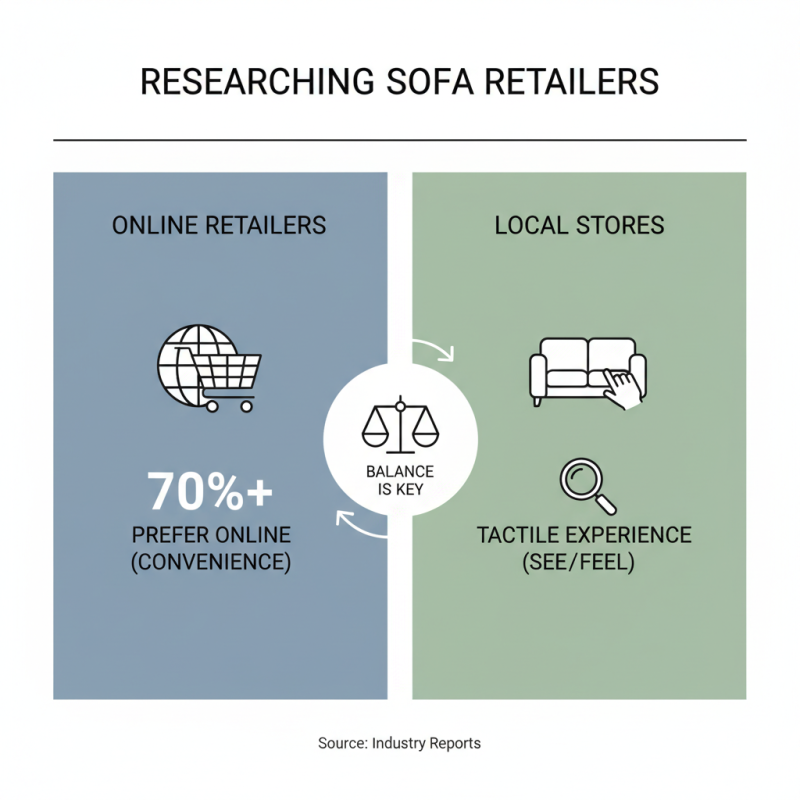
Finding the right store can be challenging. Many consumers are overwhelmed by options and prices. A study showed that 70% of shoppers feel confused when making furniture choices. The right sofa store should offer a blend of style, comfort, and price.
It's important to consider customer reviews and return policies. Reliable stores often have transparent practices. However, not all advertise their shortcomings clearly. Reflecting on these factors can help refine your options. Ultimately, the right sofa is about matching personal taste with quality. Invest time in researching the best sofa stores for your needs.
Understanding Your Home Decor Style and Needs
Understanding your home decor style is essential when choosing the best sofa. You need to reflect on your personal preferences. Are you drawn to modern, minimalist lines or more traditional, cozy designs? Take notes of colors and textures that resonate with you. This will guide your decision.
Consider the existing decor in your space. A sofa should complement, not clash with your surroundings. For instance, soft neutrals can balance bold wall colors, while a vibrant print can add character to a subdued room. Think about function too. Will the sofa be the centerpiece for family gatherings or a quiet nook for reading? Assessing these aspects will help refine your choices.
It's vital to visit several stores. Each showroom presents unique styles and layouts. Touch and test the sofas. Note how they feel and fit within your space. Don’t ignore the ergonomics; a beautiful sofa must also be comfortable. As you explore, maintain an open mind. You might discover unexpected options that inspire new ideas for your home.
How to Choose the Best Sofa Stores for Your Home Decor Needs?
| Sofa Type |
Size (Feet) |
Material |
Style |
Price Range ($) |
| Sectional |
8x10 |
Leather |
Modern |
1200 - 3000 |
| Sofa Bed |
6x8 |
Fabric |
Contemporary |
800 - 1800 |
| Loveseat |
5x6 |
Velvet |
Mid-century |
600 - 1500 |
| Chesterfield |
7x9 |
Leather |
Classic |
1000 - 2500 |
| Recliner |
7x8 |
Fabric |
Traditional |
500 - 1300 |
Evaluating Sofa Types and Their Suitability for Your Space
When choosing a sofa for your home, understanding the different types is crucial. Sofas come in various styles, such as sectional, couch, and loveseat. Each type serves a specific purpose in your decor. Sectionals can accommodate larger spaces, while loveseats fit smaller areas perfectly. Consider the layout of your room before making a choice.
Evaluate your lifestyle when selecting a sofa. If you have children or pets, durability matters. Look for fabrics that resist stains. If you entertain frequently, a sectional might offer more seating. It’s also useful to think about the sofa's height and depth. People of different sizes may find certain shapes uncomfortable.
Tips: Always measure your space. Knowing the dimensions helps prevent buying a sofa that overwhelms your room. Don’t rush your decision; try out different styles. Sit on them and feel the comfort. If a sofa looks great but feels uncomfortable, it’s not a worthy investment. Keep your personal style in mind, but also think about practicality. Sometimes, the look you desire might need to evolve based on your needs.
Best Sofa Types Evaluated by Comfort, Style, and Price
Comparing Prices, Quality, and Customer Reviews
When choosing a sofa, comparing prices is essential. Many stores offer a range of prices for similar styles. You might find a sleek design for $500 at one store and $1,200 at another. Price alone doesn't determine value. Low-cost options may lack durability; they might not withstand daily wear and tear. On the other hand, more expensive models could come with higher-quality materials but may not be worth the extra cost.
Quality is vital in sofa selection. Look for solid frames made from hardwood. Cushions should be firm yet comfortable. Fabrics should feel durable and inviting. Reading customer reviews helps to understand real experiences. Some reviews highlight issues with stitching or fading colors over time. Don't ignore this feedback; it can save you from costly mistakes.
Customer reviews can reveal important insights about a store's reputation. Some customers praise quick delivery times, while others complain about poor customer service. Take note of recurring themes in reviews. These reflections can guide your decision. Remember, a sofa is a long-term investment. The right choice should offer comfort and style while meeting your home decor needs. Make your selection wisely.
Examining Delivery Options and After-Sales Services
When choosing a sofa, understanding delivery options is crucial. Some stores offer free delivery, while others charge fees based on distance. Clear policies about delivery times are also essential. A reliable store should give you a time frame for delivery. Delays can occur, and transparency during this process builds trust.
After-sales services play a significant role in your decision. A good store should provide a clear return policy. If the sofa doesn’t fit your space or comfort needs, knowing you can return it minimizes risk. Warranties for damage or defects show a company’s commitment to quality. Look for stores that prioritize customer support and offer easy communication channels.
Consider your experience as a customer. Reflect on past purchases and what made them positive or negative. Did the store respond promptly to your inquiries? Were there issues with delivery or assembly? Your buying experience should factor heavily into your choice, steering you toward stores that value customer satisfaction.