How to Choose the Best Compression Sofa for Your Home?
Choosing the right Compression Sofa for your home can be challenging. With various options available, it’s easy to feel overwhelmed. Many people overlook important details when selecting a sofa.
Compression Sofas are designed for comfort and space-saving. They can fit into tight living areas while providing ample seating. Consider your living space's size, color schemes, and design philosophy. These elements are crucial when making your selection.
While comfort and style are vital, you might encounter options that don’t align with your needs. Evaluate the material and durability of the sofa. Remember, a sofa should endure daily use without showing wear too quickly. Misleading marketing can make it tough to pick the best Compression Sofa for your home. Take time to reflect on your choices before making a decision.
Understanding Compression Sofas and Their Benefits
Compression sofas have gained popularity due to their unique design and functionality. They often feature innovative mechanisms that allow them to save space while providing comfort. These sofas can be easily converted into beds or folded for storage. As a result, they are great for both small apartments and large homes.
One key benefit of compression sofas is their versatility. They can adapt to various living situations. Perfect for guests, they offer a convenient sleeping option. However, not all compression sofas are made equal. Some may lack durability over time, leading to regrets. It's essential to examine materials and build quality carefully.
In terms of style, compression sofas come in many designs. Aesthetic choices can enhance your home's decor. Yet, choosing the right color and fabric can be challenging. You may feel drawn to trendy options, but practicality is paramount. Ensure the fabric is easy to clean and maintain. Reflecting on these elements will lead to better choices for your space.
Comparison of Compression Sofa Comfort and Durability Ratings
Identifying Your Space Requirements for a Compression Sofa
When selecting a compression sofa, understanding your space requirements is crucial. According to a recent industry report, over 70% of homeowners underestimate the size needed for their living area. This often leads to uncomfortable arrangements or wasted space. Measure your area meticulously. Consider not just the sofa dimensions, but also how it will fit with other furniture.
Evaluate the layout of your room. A compression sofa might need more room for movement than traditional sofas. Many experts suggest leaving at least 30 inches of space between the sofa and other furniture. This allows for comfortable traffic flow. If you live in a small apartment, a compact design may be necessary. Remember, aesthetics matter, but functionality is key.
Keep in mind the style and the material. A bulky fabric can overwhelm a small space. On the other hand, minimalist designs may appear lost in larger areas. Reflect on how often you rearrange your furniture. Flexibility can help create a dynamic space. Choosing the right compression sofa involves both emotional and practical considerations. A balance is essential for a space that feels inviting yet practical.
Evaluating Material Choices for Durability and Comfort
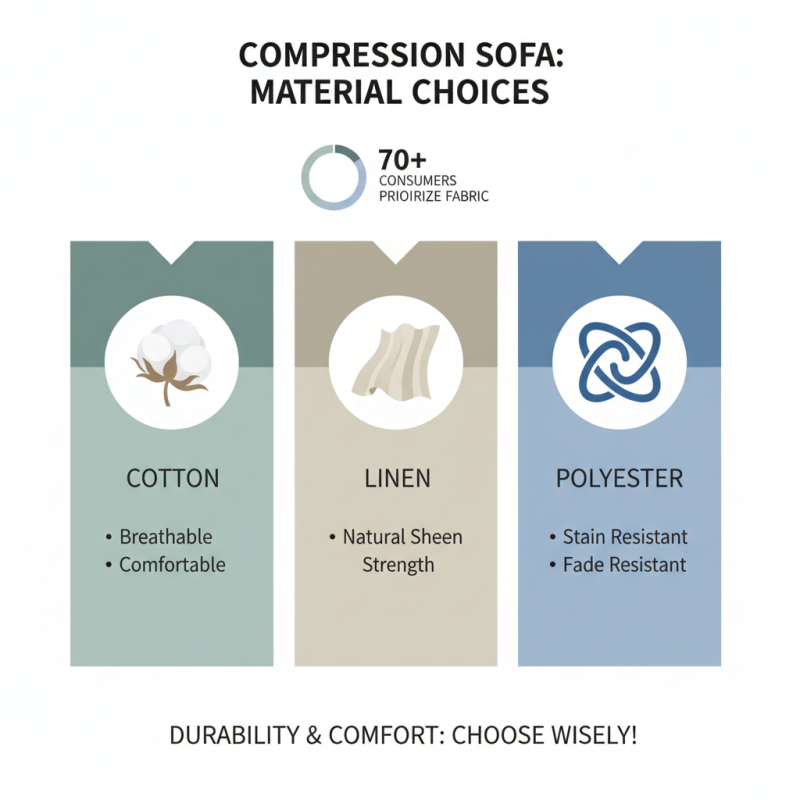
When selecting a compression sofa, material choices play a vital role in durability and comfort. Studies indicate that over 70% of consumers prioritize fabric when choosing furniture. Cotton, linen, and polyester are common options, each offering unique benefits. Cotton is breathable and comfortable, while linen has a natural sheen and strength. Polyester, on the other hand, provides resistance against stains and fading.
Durability is important, especially for households with pets or children. A report by the Furniture Industry Association highlights that sofas with polyester blends can last up to 20% longer than pure cotton options. However, some consumers may overlook the maintenance of these materials. For instance, linen requires regular cleaning to maintain its appearance. It's essential to weigh the trade-offs. Soft fabrics may enhance comfort but wear out faster.
Comfort is subjective and often linked to the density of the foam used in cushions. High-density foam offers more support but can feel too firm for some. Conversely, softer foams provide immediate comfort but may not last as long. Many buyers misjudge the long-term comfort of their choice. Testing cushions for extended periods is crucial before making a decision. Ignoring this step can lead to regret after purchase.
Examining Design Options to Fit Your Home Aesthetics
Choosing a compression sofa involves more than comfort. Design is crucial. Your sofa should match your home's aesthetics. Think about the fabric, color, and shape. According to a recent survey by the Furniture Industry Association, 78% of buyers prioritize design when choosing furniture. This is significant.
Neutral tones are popular for versatility. They blend into various styles. However, vibrant colors stand out. They can be a focal point in your living space. Most homes, about 65%, lean towards traditional designs. But modern options are gaining traction among younger buyers. Aesthetic preferences vary widely. Consider your existing decor and personal taste.
Size and arrangement also matter. A larger sofa might overwhelm a small room. Conversely, a compact design may feel lost in a spacious area. It’s essential to visualize how the piece complements your home. Sketching layouts might help. Data shows that 54% of homeowners regret not planning their space better. Thoughtful consideration can lead to a more cohesive environment.
How to Choose the Best Compression Sofa for Your Home?
| Design Style |
Fabric Type |
Size (LxW) |
Color Options |
Storage Capacity |
| Modern |
Microfiber |
84"x36" |
Gray, Blue, Beige |
50 liters |
| Traditional |
Woven Fabric |
72"x32" |
Wine Red, Cream |
30 liters |
| Minimalist |
Leather |
78"x34" |
Black, White |
45 liters |
| Rustic |
Canvas |
90"x40" |
Brown, Olive Green |
60 liters |
| Contemporary |
Velvet |
80"x38" |
Teal, Mustard |
55 liters |
Comparing Price Points and Warranty Features for Value
When selecting a compression sofa, price and warranty features should be at the forefront of your decision. Look for sofas that fit your budget while offering quality. A higher price often indicates better materials. However, it’s crucial to compare similar options. Sometimes a less expensive model can provide better value.
Warranty features also play a significant role in your choice. A longer warranty may suggest durability and better support from the manufacturer. Pay attention to what's covered. Some warranties protect against structural defects, while others focus on fabric quality. This can affect your long-term satisfaction.
Tips: Always read customer reviews before finalizing your purchase. Real experiences can provide insight into comfort and durability. Consider the sofa's return policy too. Flexibility is essential if it doesn’t meet your expectations.
Keep in mind that the perfect sofa often requires compromise, as every option has its strengths and weaknesses.