Best Ways to Compress Sofa for Easy Shipping and Storage?
Shipping and storing furniture can be challenging, especially with bulky items like sofas. The process of compressing a sofa is essential for convenience and efficiency. According to industry research, about 38% of consumers face difficulties when transporting large furniture. These challenges can lead to damaged items and increased costs.
The best ways to compress a sofa not only save space but also protect the integrity of the sofa during transit. Professionals in the furniture industry recommend specific techniques and tools for successful compression. For instance, vacuum-sealing can reduce the sofa’s volume by up to 80%. This method is gaining traction among shipping companies for its effectiveness.
Understanding the proper methods to compress a sofa can greatly enhance the experience of moving or storing furniture. However, improper techniques can lead to damage or inadequate space-saving. It is crucial to explore various options and consult experts in the field. This ensures that the process of compressing sofas is not only efficient but also secure.
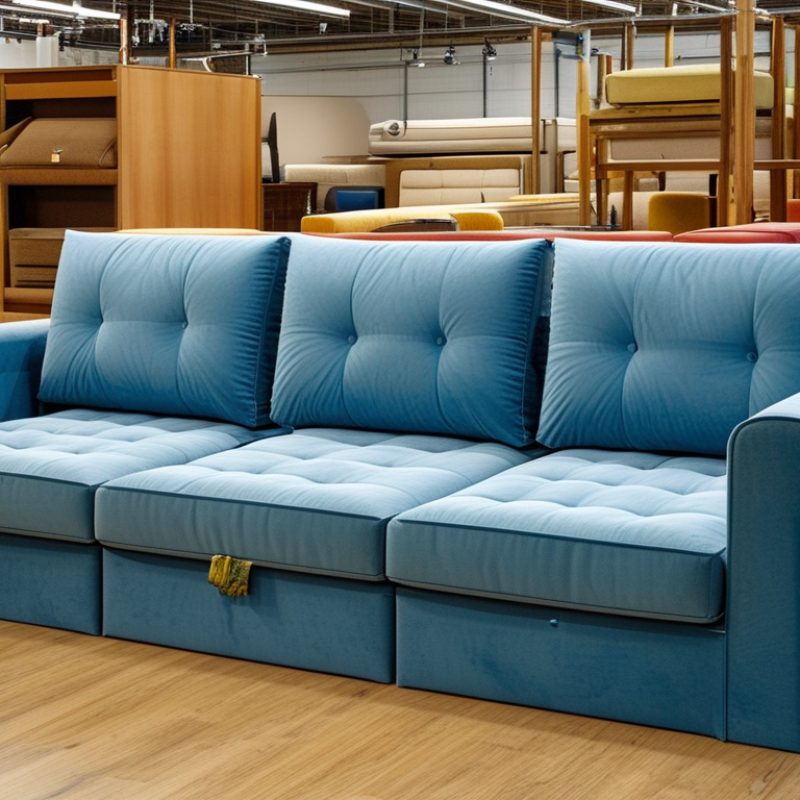
Understanding Sofa Compression for Shipping and Storage
When it comes to shipping and storing a sofa, understanding compression is key. Sofa compression involves reducing its size, making handling easier. This process typically involves vacuum sealing or using specialized bags. Vacuum sealers remove air, shrinking soft furniture significantly. It’s a straightforward method but requires careful handling to avoid damage.
Proper techniques are essential for successful compression. Start by cleaning the sofa, removing cushions and loose items. Position it flat before wrapping. This approach prevents creasing and helps maintain shape. Use sturdy shrink wrap or bags designed for furniture, ensuring a tight seal. Remember that not every sofa is suitable for compression. Delicate materials may suffer from the process. Choose wisely, considering the fabric and frame.
While compression can simplify storage, be cautious. Over-compression may lead to unwanted creases or structural issues. Always check the manufacturer's guidelines. Some sofas are best stored intact, maintaining their original form. Reflecting on these factors will guide you in making informed decisions about sofa compression, ensuring a successful shipping and storage experience.
Tools and Materials Needed for Sofa Compression
When preparing to compress a sofa for shipping or storage, having the right tools and materials is essential. You will need a vacuum sealer to remove air from the sofa’s cushions and fabric. A sturdy plastic wrap or moving blanket will also protect the sofa during compression. High-quality packing tape is necessary to secure everything tightly. It may be helpful to have scissors on hand for cutting the materials.
Consider incorporating some furniture straps or ropes to assist with compression. This can help to hold the sofa in place while you work. Using a large box or container can provide additional support during the compression process. A helper can also make this task easier, as compressing a sofa alone may be challenging. Keep in mind, though, that not all sofas are designed for compression. If you're unsure, check your sofa's construction before proceeding.
It’s important to reflect on the entire process. Ensure that the vacuum seal does not damage delicate fabrics or padding. Sometimes, excess air can still be present even after sealing. Pay attention to how the sofa reacts to compression. Some sofas may not return to their original shape. Adjusting your technique may be necessary if the sofa shows signs of wear.
Best Ways to Compress Sofa for Easy Shipping and Storage
Step-by-Step Guide to Compressing a Sofa
Compressing a sofa simplifies shipping and storage. The first step is to gather the necessary materials. You’ll need strong vacuum bags, ties, and possibly protective wrapping. Be cautious. Not all sofas can be compressed safely. Fabrics like leather may get damaged during the process.
Next, prepare your sofa. Remove cushions and any removable parts. This step is essential. Clean the fabric thoroughly before compressing. Studies show clean sofas last longer during storage. Once prepped, place the sofa in the vacuum bag. Use a vacuum to remove air. It can reduce the volume by up to 80%. This information aligns with industry findings on space-saving methods.
After vacuuming, secure the bag tightly. Consider storing the sofa in a climate-controlled area. This helps in preventing mold and pests. Remember, improper storage can lead to damage. Assess your storage regularly, even if you think all is well. Make adjustments as needed. Keeping your sofa in the best condition requires ongoing attention.
Best Packing Techniques for Space Efficiency
When it comes to packing sofas for shipping and storage, efficient techniques are vital. Proper preparation helps in maximizing space. Foldable sofas are a breeze to compress, while sectionals may require extra effort. Wrapping the sofa in protective materials is essential to avoid damages during transit.
Another effective packing technique is disassembly. Take apart removable parts to reduce bulk. Keep bolts and screws in a labeled bag. This step simplifies reassembly later. Additionally, consider shrinking the sofa's dimensions using vacuum bags. These bags can reduce up to 80% of the material's volume.
Packing materials matter too. Use bubble wrap or blankets to shield the fabric. Avoid using heavy-duty tape directly on the surface. This can leave residue and damage the upholstery. Learning from past mistakes will enhance your packing efficiency. Ensure you measure the dimensions accurately before attempting to fit it into a tight space. Each sofa has unique challenges, so adaptability is key.
Best Ways to Compress Sofa for Easy Shipping and Storage
| Packing Technique |
Description |
Effectiveness (1-10) |
Required Materials |
| Vacuum Sealing |
Removes air from bags to minimize space. |
9 |
Vacuum sealer, storage bags |
| Disassembly |
Taking apart sectional pieces for easier handling. |
8 |
Tools for disassembly |
| Shrink Wrap |
Tightly wraps the sofa to prevent damage and save space. |
7 |
Shrink wrap roll |
| Furniture Blankets |
Cushion the sofa while shipping to prevent scratches. |
6 |
Moving blankets |
| Bagging |
Using large heavy-duty bags to contain loose cushions. |
5 |
Heavy-duty garbage bags |
Tips for Protecting Your Sofa During Shipping and Storage
Shipping and storing a sofa can be challenging. Protecting it during these processes is crucial. Start by using high-quality furniture covers. These covers should fit snugly and offer extra padding. Look for materials that are water-resistant to guard against moisture damage. Wrapping your sofa in plastic wrap adds another layer of protection. It helps to keep dirt and dust away.
Consider disassembling parts if your sofa design allows this. Remove legs and cushions to create a flatter shape. This is where planning is key. Use bubble wrap for delicate areas. Secure any loose parts to prevent them from moving. Label boxes clearly so you know where everything belongs when unpacking. While being organized is essential, remember that imperfections happen. Damages can occur no matter how careful you are, but being proactive will minimize risks.
Finally, choose the right storage space. A climate-controlled unit protects against temperature changes. Make sure the area is dry and free from pests. Regularly check on your sofa, even if it's in storage. This little effort can make a big difference later. A few minutes spent ensuring your sofa's safety is always worth it.