2026 Top Compression Sofa Trends What Buyers Need to Know?
As we approach 2026, the world of interior design evolves, bringing fresh ideas to the forefront. One standout in this evolving landscape is the "Compression Sofa." This innovative piece of furniture blends comfort and functionality, making it a favorite among buyers. In a market flooded with options, understanding the latest trends surrounding Compression Sofas is crucial for making informed decisions.
Buyers should be aware of various features that define modern Compression Sofas. From space-saving designs to sustainable materials, each aspect plays a role in enhancing your living space. The right Compression Sofa can transform a room from cluttered to cohesive, showcasing both style and practicality. However, not all choices are perfect; some designs may lack durability or appeal. Exploring various models aids in avoiding common pitfalls, ensuring a suitable purchase. Engaging with credible reviews and expert opinions can further clarify which options stand out in the market.
While trends shift quickly, the appeal of Compression Sofas remains consistent. They cater to diverse lifestyles, accommodating everything from cozy apartments to family homes. As you navigate through your choices, let the upcoming trends guide you, but trust your instincts too. The ultimate goal is finding a Compression Sofa that fits your needs, balancing comfort with aesthetic appeal.
Key Features of Compression Sofas in 2026
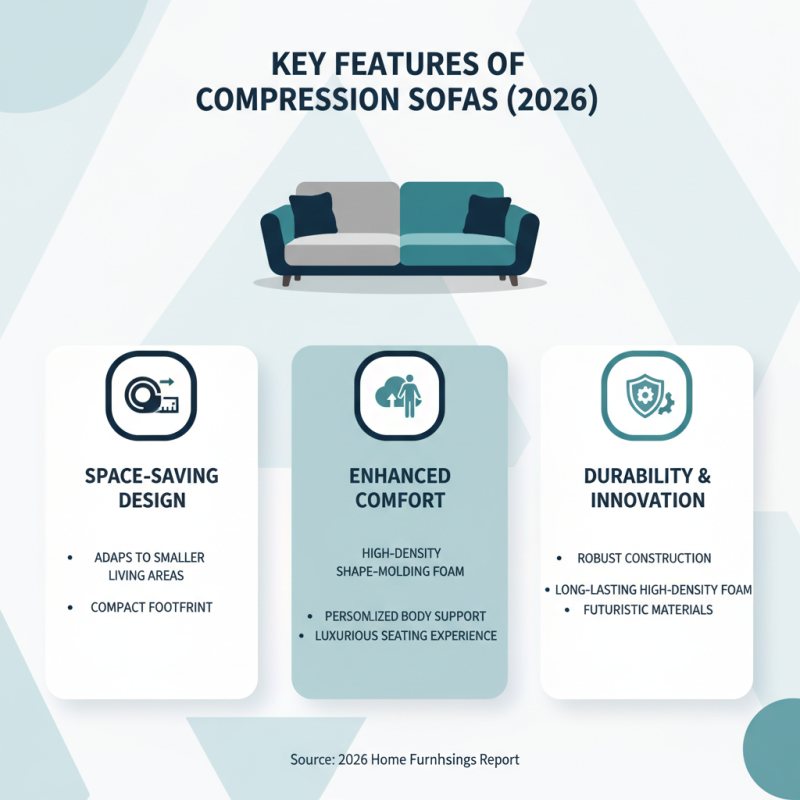
Compression sofas in 2026 will feature innovative designs that enhance comfort and space savings. These sofas are crafted to adapt to smaller living areas while offering luxurious seating. One significant aspect is the use of high-density foam, ensuring durability and better support. This foam molds to the body's shape, providing personalized comfort.
Sustainable materials are increasingly popular in compression sofas. Eco-friendly fabrics and recycled components are becoming more common. This trend reflects buyer awareness and preference for environmentally responsible products. However, not all manufacturers prioritize quality in these eco-friendly materials. Therefore, buyers should research to ensure they are making a reliable choice.
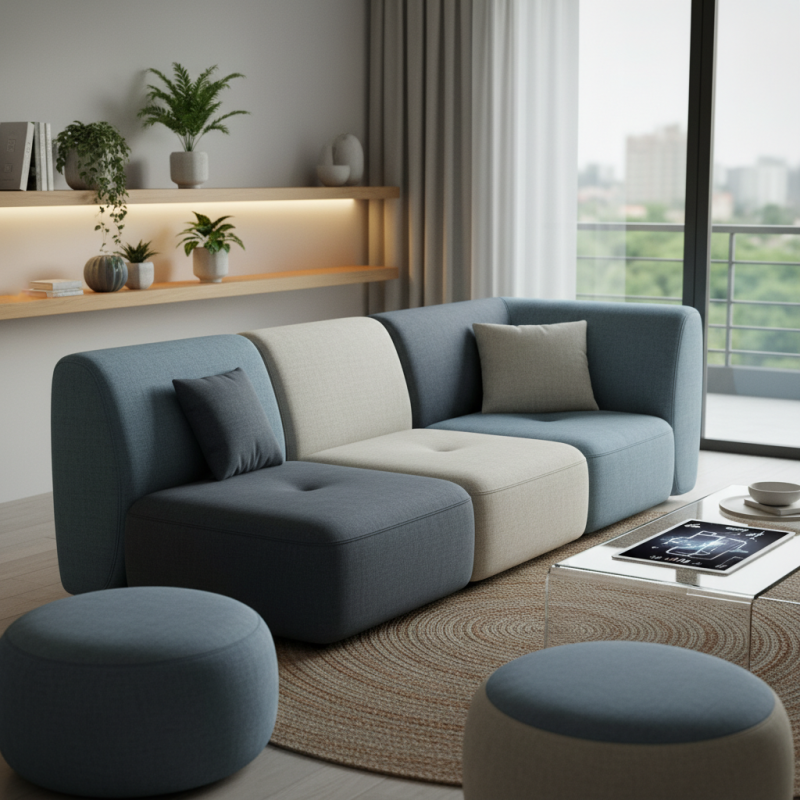
Another crucial feature is the versatility of configuration. Many sofas will offer modular designs, allowing users to rearrange them for different settings. Despite this versatility, some users may find the assembly process challenging. Clear instructions are essential for a satisfying experience. Given the growing demand, manufacturers are focusing on these features while balancing affordability and quality. Buyers must weigh these aspects carefully, as not all options will deliver on comfort or durability.
Popular Materials Used in Compression Sofas
When considering compression sofas, the choice of materials is crucial. Popular options today include memory foam, high-density foam, and gel-infused layers. According to industry reports, about 60% of consumers prioritize comfort and support. This trend highlights the significant role materials play in user experience.
Memory foam adapts to body shape and temperature. It provides pressure relief, promoting better posture. High-density foam offers durability and support, making it a favorite among buyers. However, some users find it too firm. Balancing comfort and firmness can be challenging.
Gel-infused layers are gaining attention as well. They enhance breathability and temperature regulation. This can be a double-edged sword, though. While they offer comfort, some may not find them supportive enough long-term. Awareness of these material characteristics helps buyers make informed decisions.
Design Trends Influencing Compression Sofa Styles
In 2026, the design trends shaping compression sofas reflect a shift towards sustainability and multifunctionality. Recent reports indicate that over 70% of buyers prioritize eco-friendly materials. Recycled fabrics, biodegradable foams, and low-impact dyes are becoming common. This focus not only caters to environmental consciousness but also enhances the aesthetic appeal of living spaces.
Playful yet practical designs are rising in popularity. Sofas featuring modular components allow adaptability in various settings. This flexibility meets the needs of urban dwellers with limited space. Geometric patterns and bold colors attract attention, offering a refreshing contrast to minimalist trends. According to industry experts, 60% of consumers are drawn to innovative designs that maximize utility.
Tips: Explore local artisans for unique pieces that reflect your style. Investing in customizable options can provide long-term satisfaction. Take time to consider your needs; don't rush the decision. Choosing the right compression sofa requires reflection on comfort and practicality, as trends often ebb and flow. Look for features that fit your lifestyle, such as removable covers for easy cleaning.
Buying Considerations for Compression Sofas
When considering the purchase of compression sofas, several important factors come into play. The first is the material used. High-quality fabrics not only enhance comfort but also improve durability. Look for sofas with breathable materials that resist wear and tear. Pay attention to the filling as well. Memory foam or high-density foam usually offers better support. However, these materials can be more expensive.
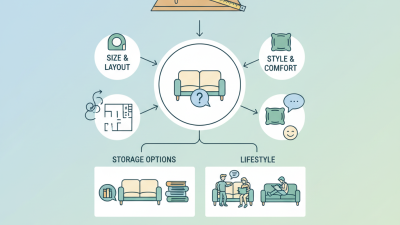
Next, think about the size and layout of your space. Compression sofas often save space but should still fit well within your room. Measure your area carefully before making a decision. Color and design also matter. Sofas should complement your existing decor. Neutral colors can provide versatility, while bold hues may become focal points.
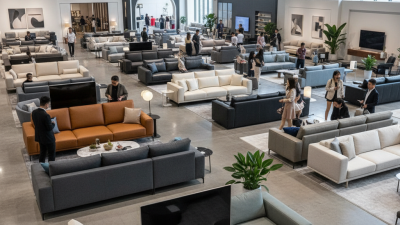
Don’t overlook the testing phase. Sit on the sofa, and assess its comfort. If it feels too firm or too soft, it may not suit your preferences. Additionally, consider return policies. Some retailers offer a trial period, which is essential. Reflect on the long-term value. Investing in a good-quality sofa is crucial for comfort and aesthetics. Balancing budget with quality is necessary.
2026 Top Compression Sofa Trends
Maintenance Tips for Longevity of Compression Sofas
Maintaining compression sofas requires attention to detail. Regular vacuuming is essential to remove dust and debris. This simple step goes a long way in preserving the fabric's integrity. Spot cleaning should be done immediately after spills. Use a soft cloth and mild detergent for this task. Avoid harsh chemicals that can harm the fabric.
Check the seams and cushions regularly. A small rip can worsen if left unattended. It’s also important to rotate cushions periodically. This helps in even wear and extends their life. If your sofa has removable covers, wash them as per care instructions. Always air dry to prevent shrinkage.
Consider the environment where your sofa is placed. Direct sunlight can fade colors and weaken materials. Position it away from heat sources to avoid damage. Use coasters on armrests for beverages. Preventing stains is easier than removing them. Balancing care and enjoyment is key.
2026 Top Compression Sofa Trends What Buyers Need to Know? - Maintenance Tips for Longevity of Compression Sofas
| Trend |
Description |
Maintenance Tip |
Estimated Lifespan |
| Eco-Friendly Materials |
Sofas made with sustainable materials like recycled fabric and natural fibers. |
Avoid harsh chemicals, use natural cleaners for upkeep. |
5-7 years |
| Modular Designs |
Sofas that can be rearranged to fit different spaces and needs. |
Regularly check connections and re-tighten if necessary. |
8-10 years |
| Smart Technology |
Sofas equipped with charging ports and built-in speakers. |
Keep electronic components away from moisture, clean electronics carefully. |
5-6 years |
| Bold Colors and Patterns |
Vibrant and striking colors that enhance living spaces. |
Use fabric protector sprays and vacuum regularly to maintain appearance. |
5-10 years |
| Minimalist Styles |
Sofas that emphasize simplicity and function. |
Dust and wipe down surfaces regularly to avoid build-up. |
7-10 years |